Celebrate July 4th with a 10% Independence Day discount! Use coupon code — JULY4QC2024! 🤩
-p-130x130q80.avif)

.svg)


Product demos play a crucial role in every B2B purchase decision. Earlier, product demos were done only by sales reps. The prospects reached out to the sales rep. The sales rep scheduled a live demo, maybe in a week or two, depending on the rep’s availability. But today's buyers research the product on their own. They read reviews, compare features, and analyze pricing, all before they reach out to you. When they finally request a demo, they are ready to move forward. Delaying the demo for a few days or a week takes the prospect one step backward in decision-making.
The prospects expect an instant walkthrough of the product. This is where on-demand product demos come in. With interactive, self-serve experience, the prospects can explore the product at their own time and pace. They need not depend on the sales rep walking them through a 45-minute presentation. Companies that have made this shift from live demos to on-demand demos are seeing 2.3x higher demo-to-signup conversion rates.
In this article, let's unpack this transformation in how products are understood and purchased with on-demand demos.
Scheduled live demos aren’t always effective at engaging modern prospects. Most prospects don’t want to be walked through the product. They want to discover the product by themselves and experience it on their own. On-demand product demos align perfectly with this shift. There are four key factors behind this, contributing to better conversion.

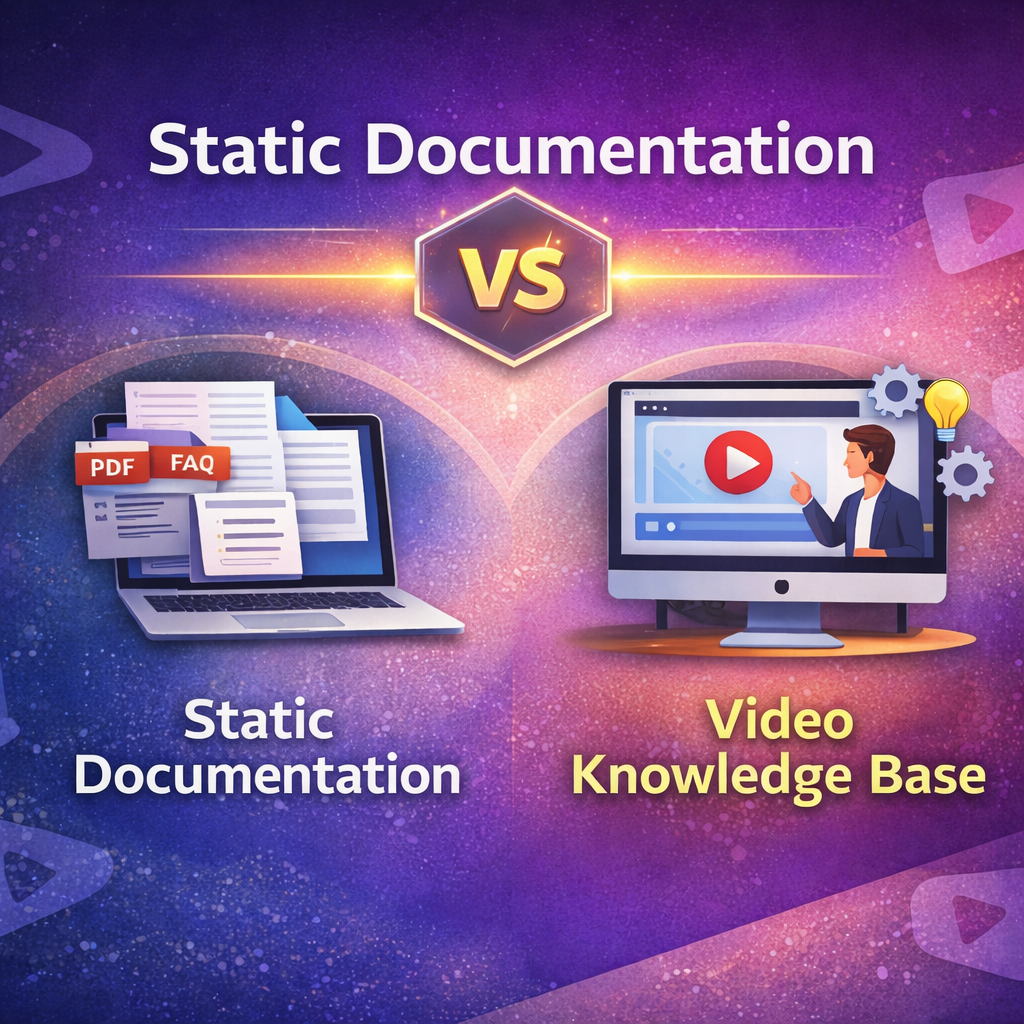
Image generated by ChatGPT (OpenAI, 2026)
Let’s say a prospect visits your pricing page today. They click the “Request a demo” button. Now, you schedule a live demo in the next week. But curiosity fades during this break, affecting the buying intent of the prospect.
On-demand product demos provide instant access to prospects. You open Notion - you see a canvas. You open Spotify - you listen to music. This immediate experience is highly expected in modern B2B evaluation. The removal of scheduling friction keeps the intent – leading to a higher chance of conversion. Because the prospects get to experience the product the moment they are interested.
In a live demo, the sales rep walks through the product demo. Whereas an interactive product demo provides a hands-on experience to the prospect. The prospect gets genuine product experience rather than a product demonstration.
Traditional demos often try to cover everything at a stretch. This may overwhelm the prospect. A self-serve demo provides flexibility to the prospect in spending time or skipping a section. They can take the demo as many times as they need to get a deeper understanding. A self-serve demo reduces information overload and ensures the demo feel personalized – improving clarity and retention.
Traditional demos are often dependent on the sales team’s calendar. On-demand product demos break this constraint. A single interactive demo can serve hundreds of buyers simultaneously.
Traditional demos may vary each time. But with on-demand demos the consistency of the demo can be maintained. Every self-serve demo delivers the same core experience. The same demo is reproduced for every prospect every time regardless of who they are. This means having one high-quality interactive demo which highlights all the product’s features is all you need to increase adoption.
Interactivity drives deep product engagement and understanding. Traditional demos are watched by prospects, whereas self-serve demos are done by prospects. They click through the product, make choices, see the outcome for each action – providing a whole new experience. Doing is always better than watching as clickable walkthroughs require active participation.
The experiential memory is more persuasive than a salesperson’s description of the product. Interactive experiences provide clarity about the capabilities of the product, not just an overview.
Each of the above-mentioned factors influence conversion metrics.
Once you understand the importance of self-serve demos, creating one that creates impact is the next step.
Creating guided interactive demos
Design interactive demos that guide the user through key workflows using modern tools like Floik – specifically designed for demos and guides. Start with the problem for which the prospect is seeking a solution. Address how your product solves it in the first 90 seconds. The narrative arc is what contributes to conversion.
Embed demos across key touchpoints
You have created a quality interactive demo for your product. What is the next step? After creating the demo, the next challenge is visibility. Placing the demo in the right place is more important than creating it. Because what is the point of creating it if the users can’t find it at the right time. Embed it on your homepage, your product page, and your campaign landing pages. With Floik, you can easily embed flos like interactive demos wherever you wish.
Track engagement and identify drop-off points
Track every click, exit, replay and drop-off points. Set up a simple dashboard that tracks and provides insights about these metrics. These insights help you improve the product with real-time data. If the drop-off is high at a certain step in the demo, restructure it. A demo without analytics is a demo that cannot improve.
The way prospects evaluate products has changed. What once worked with traditional scheduled demos no longer works. The future of product demos isn’t scheduled demos anymore, it’s self-serve demos. Companies that explain their product aren’t winners, companies that let users experience their product – anytime, anywhere, instantly are the winners today.
.avif)
.avif)