Celebrate July 4th with a 10% Independence Day discount! Use coupon code — JULY4QC2024! 🤩
-p-130x130q80.avif)

.svg)


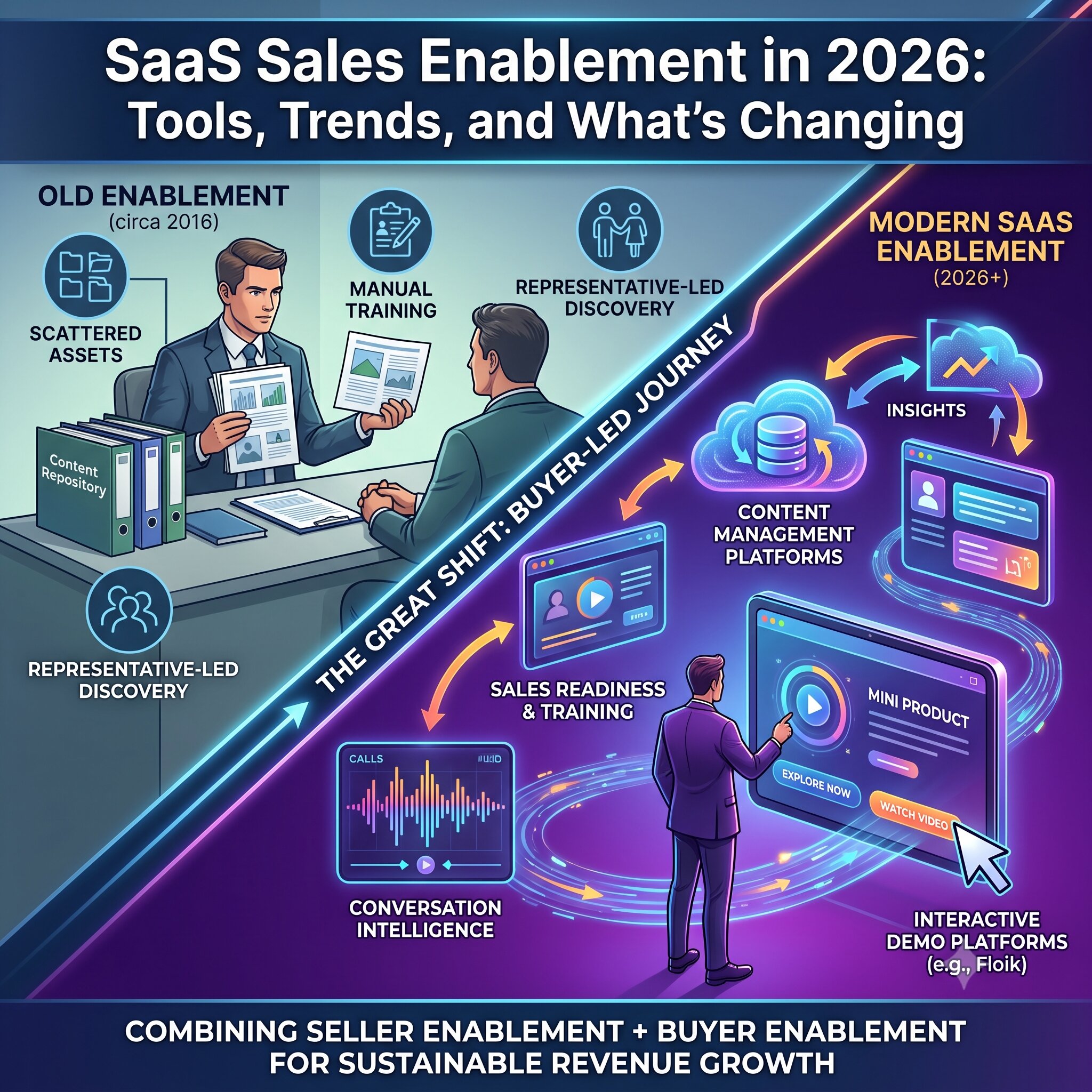
The way of buying B2B software has changed over the years.
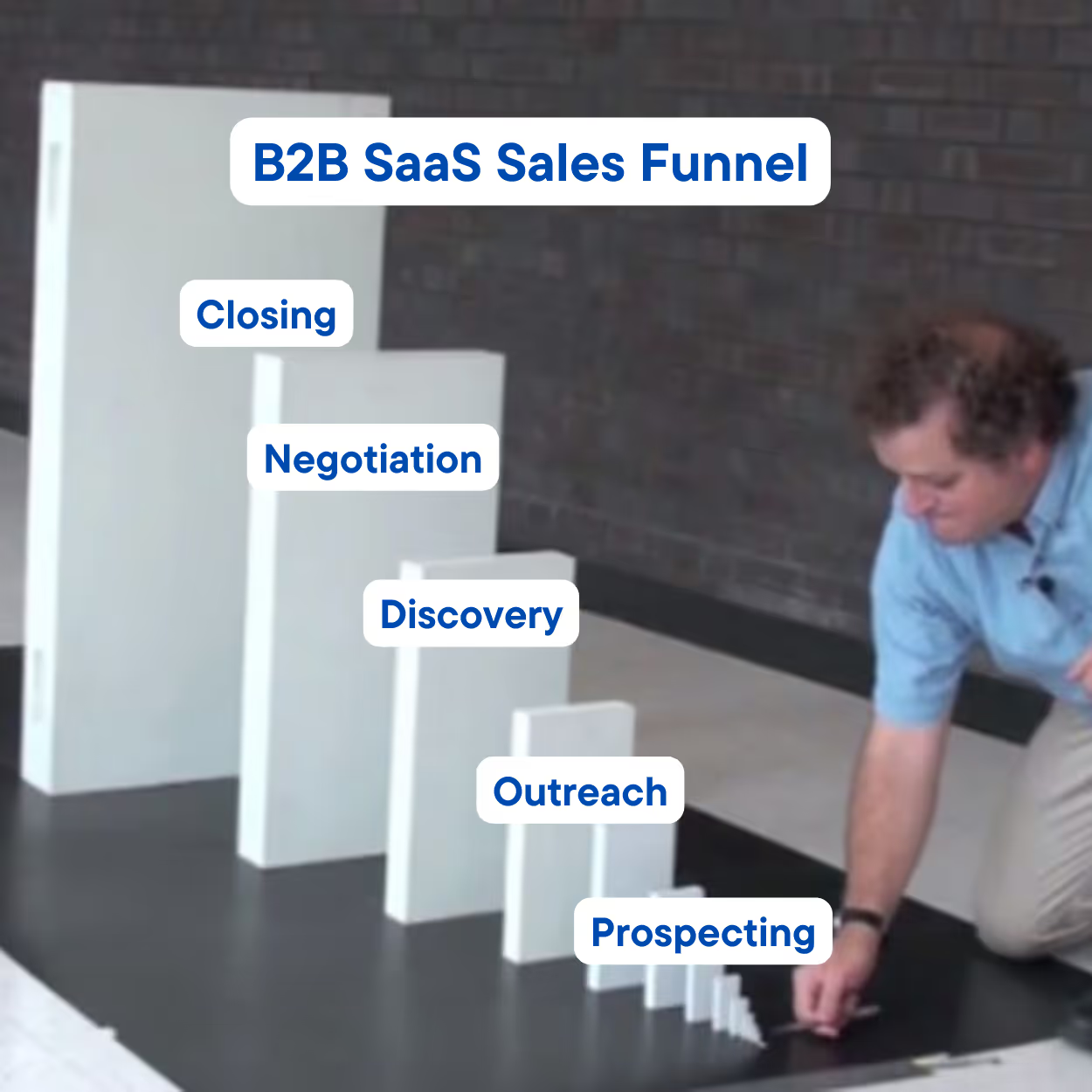
For years, the standard approach was cold outreach, discovery calls, live demos, follow-ups, negotiations, and finally closing the deal. Each of these steps required scheduling meetings, aligning calendars, and moving at the pace of the sales team.
Today, most modern buyers don’t want to “get on a call.” Research shows that 77% of B2B buyers research the product independently before engaging with sales. They don’t want to schedule calls. They explore, evaluate, and decide on their own time and on their own pace, often without ever speaking to the salesperson.
This shift has given rise to asynchronous B2B SaaS selling. Let’s unpack what it is, why it’s working, and how you can implement it to drive real revenue – not just engagement.
Asynchronous selling is an approach where communication between the customer and the sales team doesn’t happen in real-time. Instead, the information is shared in formats like recorded product demos, interactive product tours, personalized walkthrough videos, and email sequences with embedded assets – designed such that the buyers engage with it whenever it suits them.
In asynchronous selling, there is no need for both parties to be present at the same time. The buyers move forward independently while the sales team supports it with on-demand content.
Effective asynchronous selling isn’t just about sending more emails. It is about building a system that moves buyers forward without friction. Core to this system are four pillars.
Personalized videos feel direct and relevant – helping build trust faster. Instead of sending long emails that often get ignored, you record a short, role- specific video demos addressing the prospect’s needs. With this, you are not just explaining your product – you are showing how it fits their pain point.
Digital deal rooms are a single shared workspace where everything related to deals live. Instead of digging through email threads, prospects can access proposals, case studies, ROI calculators, pricing details, and key conversations and updates under a single shared workspace.
Interactive demos are self-guided product tours. Instead of waiting for a guided demo or product walkthrough, the prospects get to experience the product and understand the value at their own pace – reducing dependency on live demos.
Engagement intelligence is the analytics on who viewed what, for how long, what they clicked, and which assets were shared. One of the biggest challenges in traditional sales is guessing buyer intent. With the insights, engagement intelligence removes the guesswork.
Bringing it all together and built right, this doesn’t just support the sales team but your entire product-led growth motion.

Image generated by ChatGPT (OpenAI, 2026)
A reliable async selling motion requires the right tools – but not necessarily an overwhelming stack to achieve it. Most teams use multiple tools for videos, demos, and guides. Though this works, it creates fragmented experiences for both sellers and buyers. Floik brings it all together into a single platform.
Now that we know how an async selling system is built, another important thing most teams underestimate is the content in async selling. Async selling only works if the content behind it is built with intention.
The system should include demo videos that shows the product in action, feature explainer videos, use case walkthroughs tailored to specific roles, customer stories that build trust without a salesperson coming in, and FAQs to address concerns – so the deal doesn’t get delayed later.
If built right, this becomes your 24/7 sales engine – one that never misses a follow-up and meets every buyer exactly where they are.
Asynchronous selling isn’t about removing human touch from sales. It’s about making sure it shows up at the right moment – when the buyer is already halfway to yes. Asynchronous selling is like “Here’s a quick 5-minute walkthrough tailored for your use case” rather than a “I’ll explain this on a call”. You give everything the prospect needs to move forward independently. The best sales strategy today is the one that feels like an experience instead of selling.
.webp)









.avif)


.avif)
.avif)
.avif)
.avif)
.avif)
.avif)

.avif)
.avif)
.avif)

.avif)